Tasmanian Devil Extinction Predicted to Catalyse Biodiversity Loss for Tasmania
The disease is an infectious, spreading cancer and, with no cure available, has reduced populations by 80%. Consequently the species is now listed on the IUCN Red List as endangered.
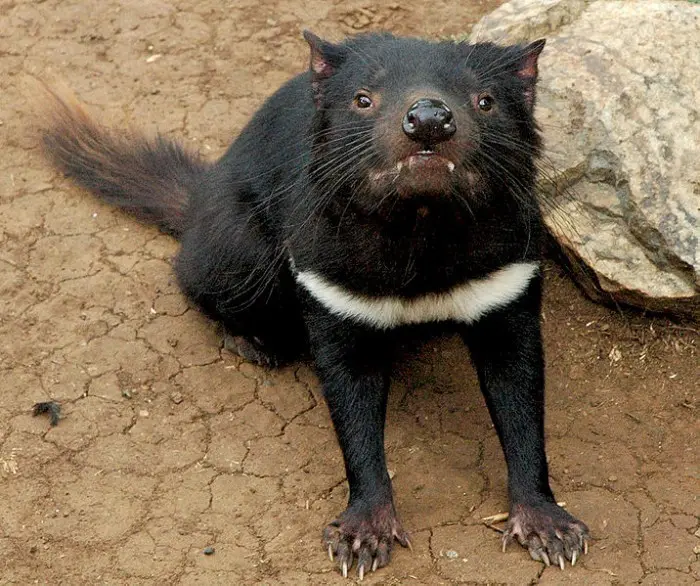 Image: I, KeresH [GFDL (http://www.gnu.org/copyleft/fdl.html), CC-BY-SA-3.0 (http://creativecommons.org/licenses/by-sa/3.0/) or CC-BY-SA-2.5-2.0-1.0 (http://creativecommons.org/licenses/by-sa/2.5-2.0-1.0)], via Wikimedia Commons
 By Flora Haynes,
BSc Ecology and Conservation, @FloraHaynes
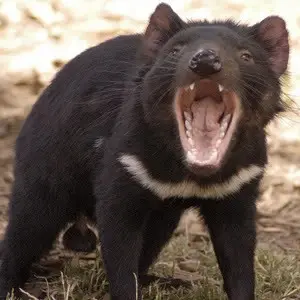
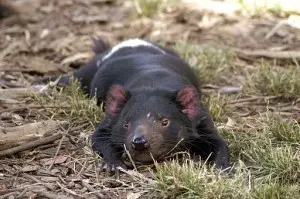
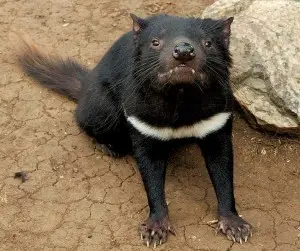
The Tasmanian devil (Sarcophilus harrisii) is the world’s largest surviving marsupial carnivore, and a well known resident of Tasmania. However, the species is threatened with extinction, which could have detrimental impacts on the Tasmanian ecosystem.
The devils were hunted by colonials who considered them a cause of livestock deaths. Since that time they have become protected, and by the early 1990’s numbers had recovered well. But in 1996 Devil Facial Tumour Disease (DFTD) was discovered on wild individuals. The disease is an infectious, spreading cancer and, with no cure available, has reduced populations by 80%. Consequently the species is now listed on the IUCN Red List as endangered. Other threats include persecution by landowners, competition from introduced species (specifically the European red fox (vulpes vulpes)) and accumulation of toxins when feeding on carrion. Additionally, the devils are known to feed upon road kill and then themselves become victims of the highways.
Tasmanian devils are scavengers as well as predators, and their range stretches from the coast to the mountains. Devils are also a keystone species within the Tasmanian ecosystem, where they are at the top of their food chain. So what would happen if the species became extinct?
It is likely that the European red fox would fill the niche, with an abundance of food and minimal competition, as a result of the devils absence, allowing for quick establishment. Likely prey includes small mammals, reptiles and ground nesting birds. Although, the devils currently eat these species types as well, their diet also consists of a large amount of scavenged meat. As a result fewer live animals are eaten and the devils impact on populations is therefore greatly reduced in comparison to that of the red fox. The establishment of a fox population on mainland Australia has led to irreversible ecosystem changes, including the extinction of native species. Tasmania is an island and benefits from an absence of large predators. Consequently many Tasmanian species are endemic and the red fox would be a large threat to these unique species.
The red fox has already devastated ecosystems globally. Will Tasmania be next?
Read more: